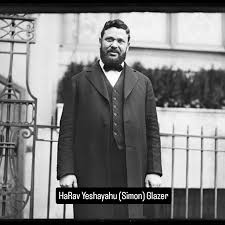
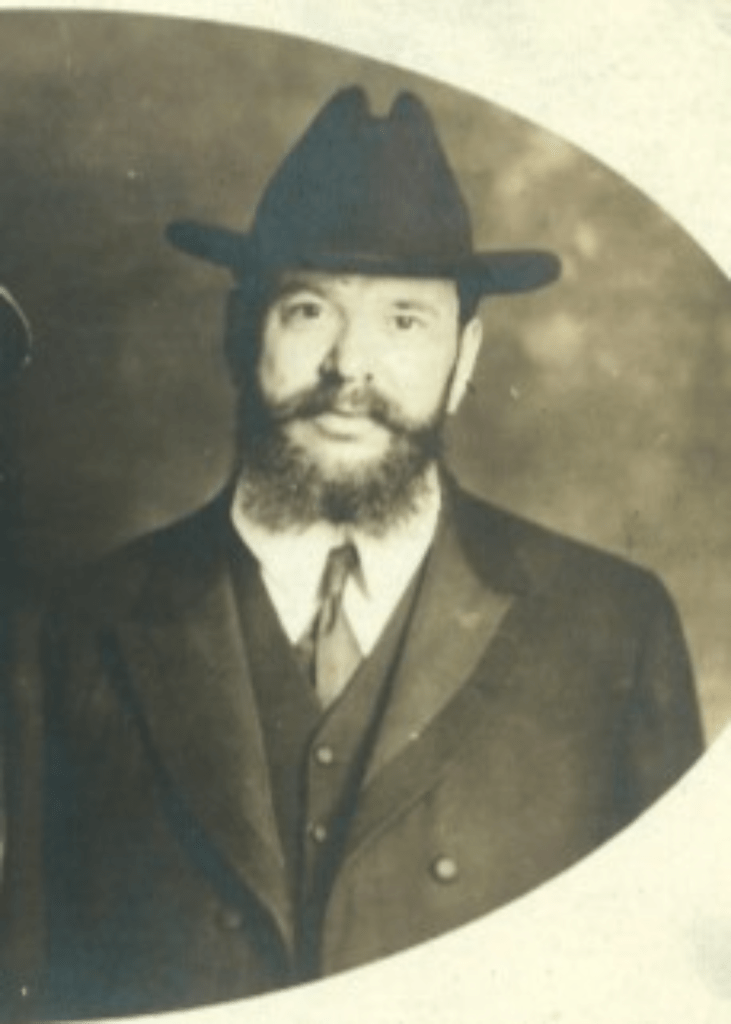
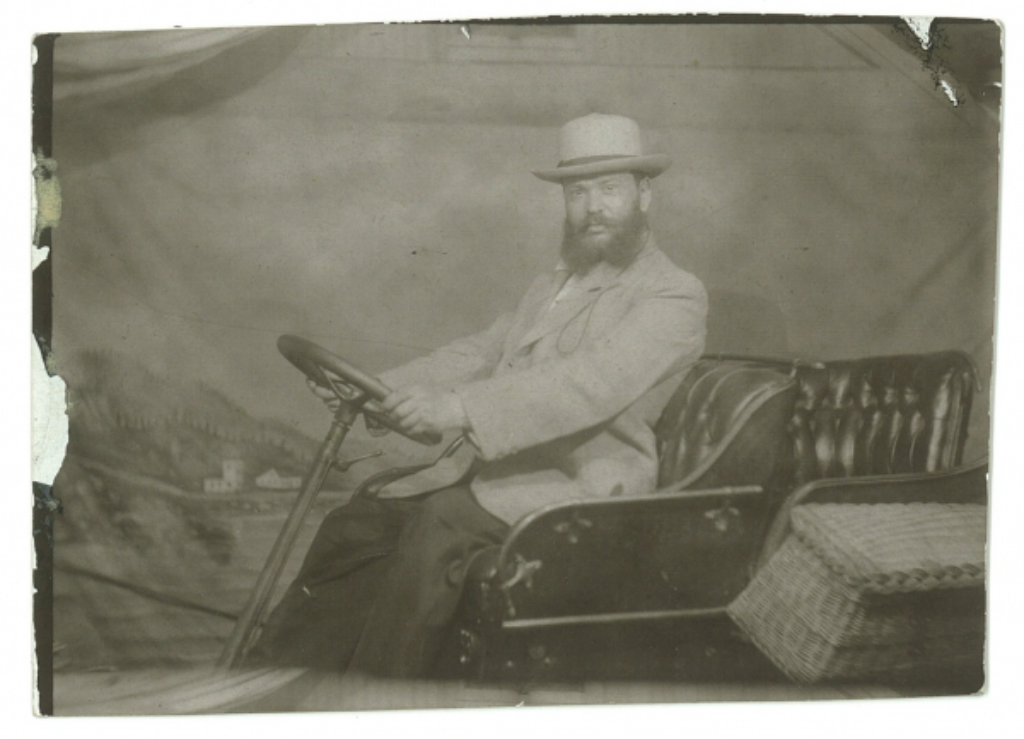
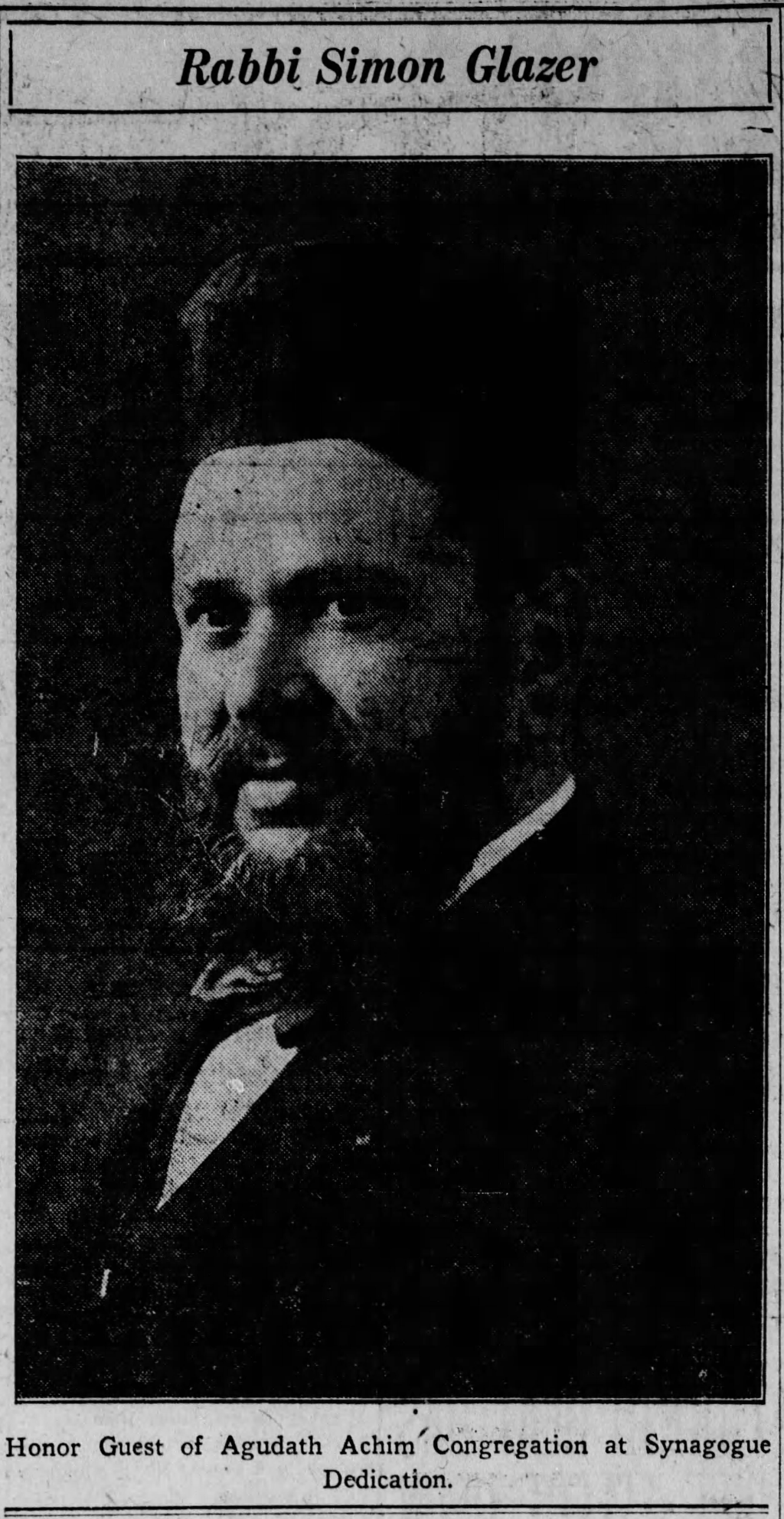
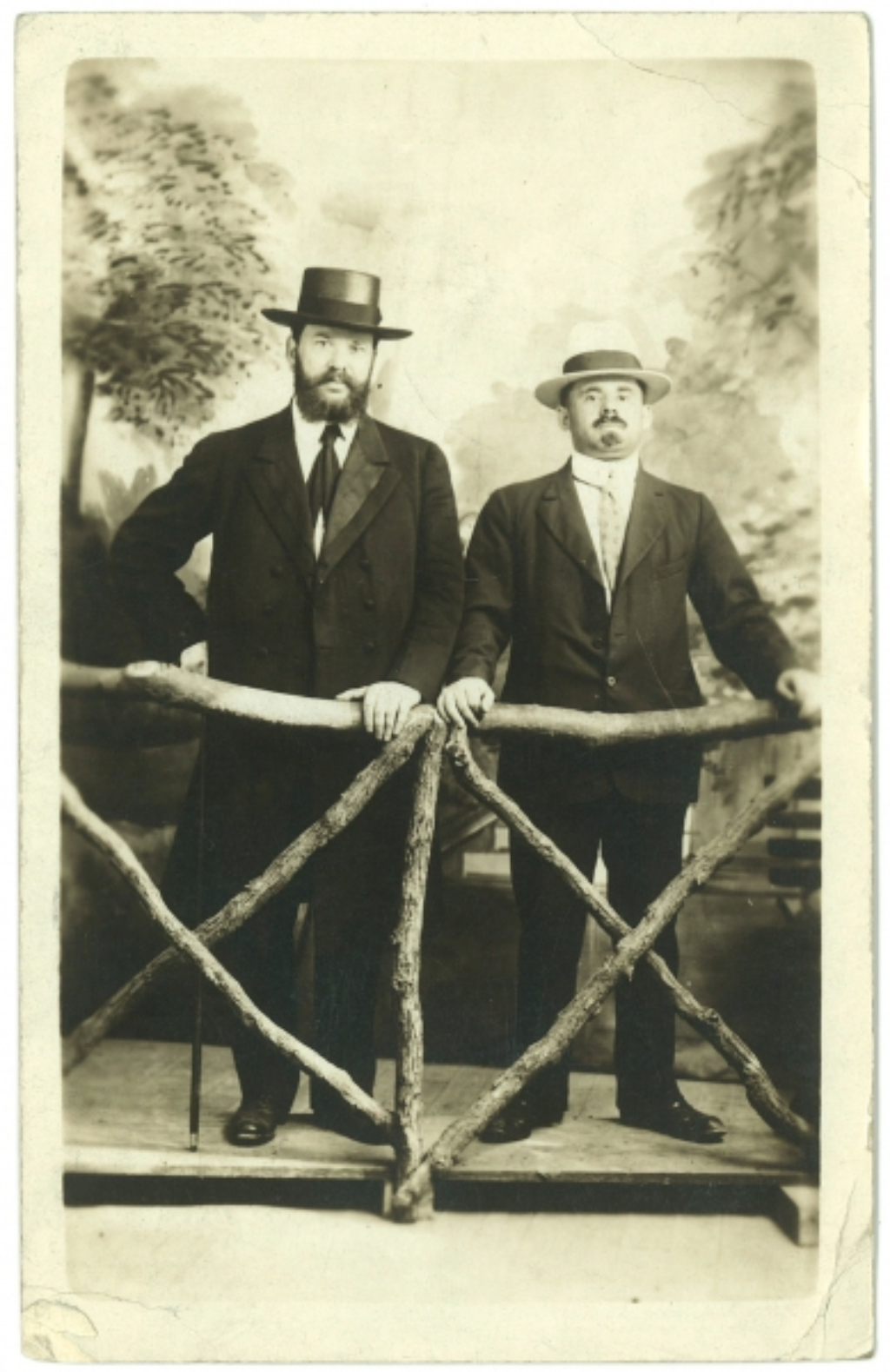
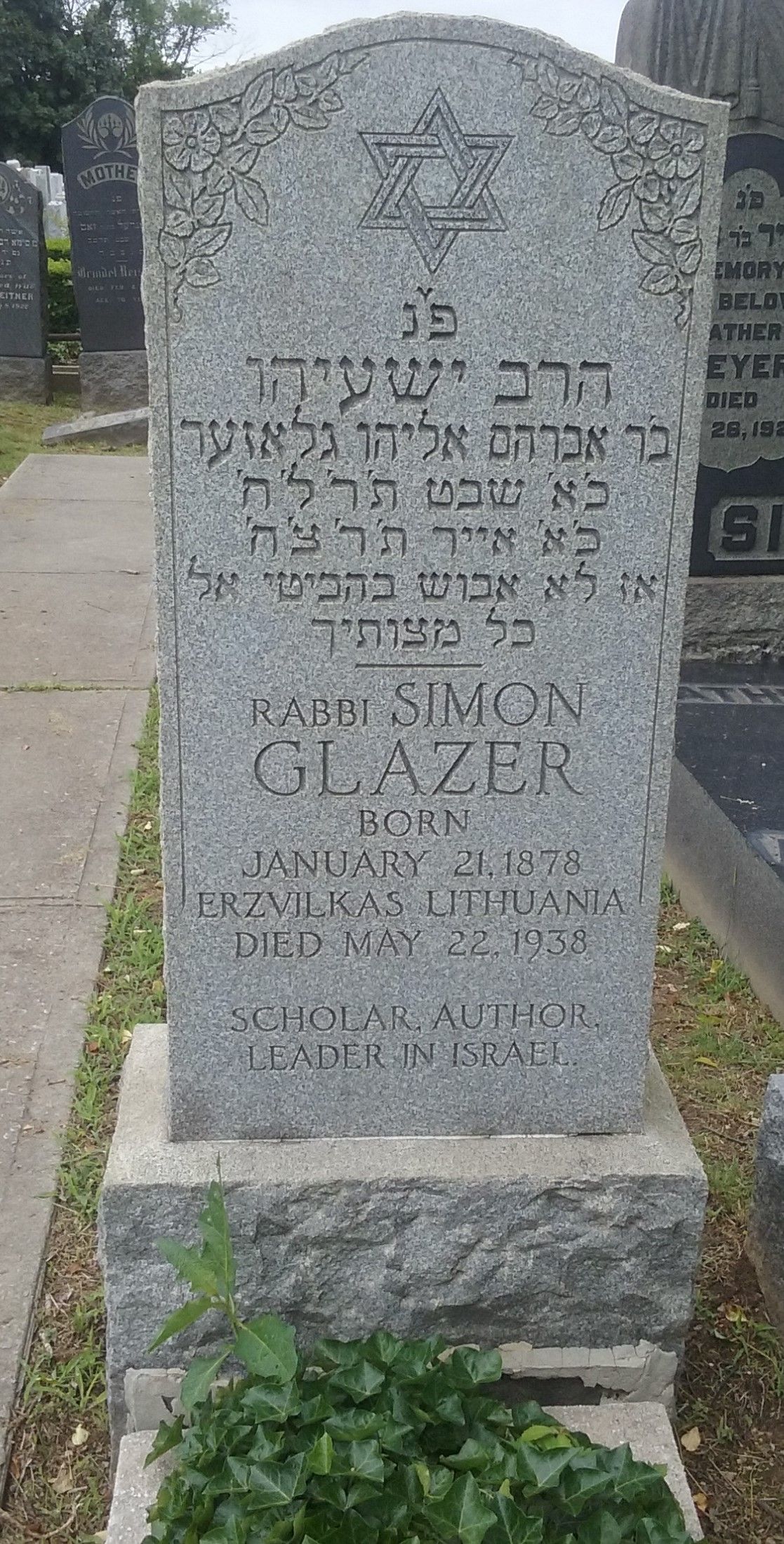
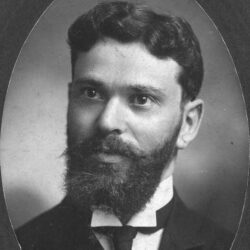
Rabbi Yeshayahu (Simon) Glazer
ישׁעיהו בּן ר׳ אברהם אליהו
1878-1938
Editor’s Note: I have grown to have a special connection to Rav Glazer, ztzl. His life, which I only found out about when I was researching Rabbanim that served in my hometown of Seattle, is the reason this site was started and, as of Feb 2026, Early American Rabbis started reprinting seforim from these amazing gedolim, of which the first reprint is the Bar Mitzvah Pulpit by Rav Glazer.
Rabbi Simon Joshua Glazer (1878–1938) was a multifaceted and often controversial leader in the early 20th-century North American Orthodox rabbinate. Distinct from many of his peers, Glazer was a European-trained “old-fashioned rabbi” who successfully mastered the English language and acquired a secular education, allowing him to navigate both the immigrant Jewish world and the broader American society.+3
Early Life and Education in Lithuania
Born on January 21, 1878, in Erzwillig, Lithuania, Glazer was the son of Abraham Eliyahu. His Hebrew name was Yeshaya (Isaiah), though he was known professionally as Simon. His early life was defined by rigorous Torah study:+1
- Yeshiva Training: At age nine, he entered the yeshiva of Yurburg under Rabbi Wolf Pollack. He later advanced his scholarship at various Lithuanian yeshivas, including Eurologa under Rabbi Moshe Sadovsky.
- Ordination: At age 18, he received semikha (rabbinical ordination) from prominent authorities, including Rabbi Alexander Moshe Lapidus and Rabbi Isaac Rabinowitz.+1
- Migration: In 1896, he fled to Palestine to avoid service in the Russian army. He immigrated to the United States in 1897.+2
Early American Career (1897–1907)
Upon arriving in America, Glazer met Kasriel Sarasohn, editor of the Jewish Daily News, who advised him to learn English before entering the rabbinate. Glazer spent four years mastering the language and secular subjects, a decision that eventually set him apart from other immigrant rabbis who remained within Yiddish-speaking enclaves.+1
- Des Moines, Iowa (1902–1905): Glazer served as a rabbi for three years. During this time, he published The Jews of Iowa (1904), a historical account of the local community.+2
- Toledo, Ohio (1905–1907): He moved to Toledo and began writing English-language textbooks to introduce Orthodox teachings to children, attempting to break the Reform movement’s hold on the Sunday school market.+1
The Montreal Years and the Chief Rabbinate Rivalry (1907–1918)
In 1907, Glazer was invited to Montreal by a consortium known as the “United Orthodox Congregations” to serve as their head. This appointment sparked a fierce, decade-long rivalry with Rabbi Hirsh Cohen, the established leader of the city’s immigrant rabbinate.+4
- The “Chief Rabbi” Claim: Glazer was advertised as the “Chief Rabbi” of a “United Synagogue,” terms with specific resonance in the British Empire that implied supreme religious authority. This claim was perceived as a direct threat to the communal status quo and was met with immediate opposition from the Jewish establishment.+3
- Kashrut and Legal Battles: Glazer attempted to centralize the licensing of kosher butchers, leading to “Kosher Meat Wars” and multiple libel suits. Because the local Yiddish press, such as the Keneder Odler, was controlled by his opponents, Glazer often became a “media non-person” and had to rely on handbills to communicate his positions.+3
- Civic Activism: Despite the friction, Glazer was an active defender of Jewish interests. He successfully lobbied the Canadian Minister of Customs to ensure matzah could be imported duty-free. In 1913, he traveled to Halifax to serve as an expert witness in a court case, successfully defending the humanity of shechita (ritual slaughter).+1
Later Career and Death (1918–1938)
Glazer left Montreal in 1918 and continued his leadership in several other major cities:
- Seattle, Washington (1918–1920): Served at Congregation Bikur Cholim.+1
- Kansas City, Missouri (1920–1923): Worked toward community unification.+1
- New York City (1923–1938): Served various congregations and dedicated himself to a massive literary output.
Major Publications
Glazer was a prolific author whose works bridged the gap between traditional scholarship and the English-speaking public:
- The Jews of Iowa (1904)
- Full Title: The Jews of Iowa: A Complete History and Accurate Account of Their Religious, Social, Economical and Educational Progress in this State; a History of the Jews of Europe, North and South America in Modern Times, and a Brief History of Iowa.
- Guide of Judaism / Moreh ha-Yahadut (1917)
- Full Title: מורה היהדות (Moreh ha-Yahadut) / Guide of Judaism: A Systematic Work for the Study and Instruction of the Whole Scope of Judaism.
- The Palestine Resolution: A Record of Its Origin (1922)
- History of Israel (1930)
- A six-volume set based upon the works of Heinrich Graetz and Simon Dubnow.
- Visions of Isaiah (1937)
- A collection of sermons.
- Sabbath School Guide (1907)
- A systematic work for the instruction of Judaism based on the Bible and Rabbinical authorities.
- Mishnah Torah: Yad Ha-Hazakah (1927)
- A translation of Maimonides’ code of Jewish law.
- The Bar Mitzvah Pulpit (1928)
- Full Title: The Bar-Mitzvah Pulpit: Sermonettes for Bar-Mitzvah Boys and Others.
- Or le-Yisrael (1928)
- אור לישראל (Or le-Yisrael).
- Seder Tefilot la-Avelim (1928)
- סדר תפלות לאבלים (Seder Tefilot la-Avelim) / Prayers Upon the Cemetery (Sefer Maaneh Halashon), revised and translated into English.
- Services for the Day of Atonement (1928)
- Techinah: Prayers and Religious Duties for the Daughters of Israel (1930)
- Book of Sermons for All Occasions (1930)
- The Five Books of Moses (1935)
- Includes the Haphtoroth, the Five Megilloth, Sabbath prayers, and an enumeration of the 613 Commandments.
Rabbi Simon Glazer died in 1938 in New York City. His career serves as a notable example of the challenges faced by immigrant rabbis as they sought to maintain traditional Orthodox integrity while adapting to the cultural and linguistic demands of 20th-century North America.
Rav Glazer’s Seforim
The Bar Miztvah Pulpit: Sermonettes for Bar Mitzvah Boys and Others (You can purchase a new copy, republished by Early American Rabbis by following this link)
The Jews of Iowa
Guide to Judaism
The Palestinian Resolution: A Record of Origin
6 Volume: History of Israel
Visions of Isaiah
Sabbath School Guide
Or leYisrael Machzorim
Seder Tefilot leAveilim
Techinah: Prayers and Religious Duties for the Daughters of Israel
Book of Sermons for All Occasions
The Five Books of Moses
 EARLY AMERICAN RABBONIM
Leave a comment